Stop Losing Landscaping Jobs with AI Solutions
Contractors, Landscaping, AI Insights
How Landscaping Companies Can Stop Losing Jobs While Their Crews Are on Site
When the phones ring and no one can answer, landscaping companies quietly lose some of their best opportunities. This draft article explains why missed calls are so costly, how AI voice agents and automated lead follow-up close the gaps, and what results a typical landscaping business owner can expect from putting these tools in place.
The daily frustration of ringing phones and missed opportunities
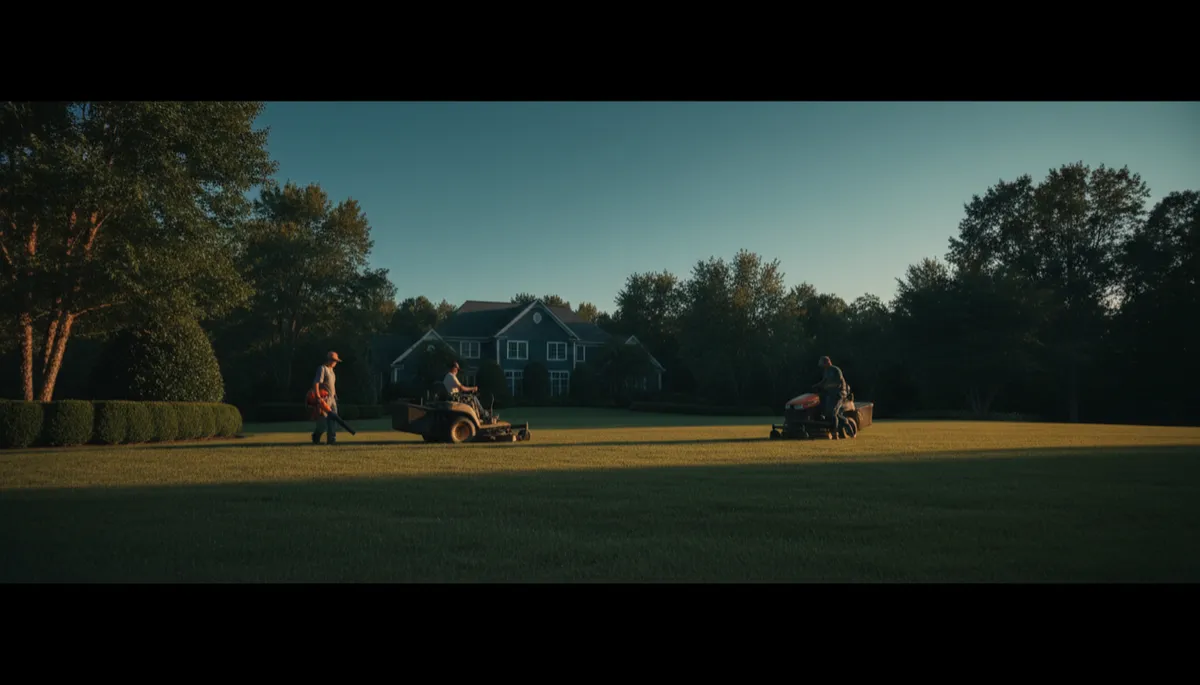
Picture a typical day in peak season. You are on a mower, or hauling materials to the next site, and the phone starts buzzing in your pocket. You cannot safely stop the machine or pull over right away, so the call rolls to voicemail. By the time you listen to the message, if there even is one, that homeowner has already booked the competitor who picked up on the first ring.
Landscaping is seasonal and timing is everything. Most requests for cleanups, new installs, and maintenance come in a tight spring window. If you miss that first call while crews are on site, you often miss the entire job for the year. The work is there, but the customer will not wait around while you finish your route and catch up on voicemails at night.
The Real Cost of a Missed Call in Landscaping
Landscaping companies already know missed calls are a problem, but the numbers show how serious it really is. Industry research indicates that landscaping businesses have some of the highest missed call rates of any trade, often in the 70 to 80 percent range during busy periods. That means most people who try to reach you never connect with a real person on their first attempt.
The National Association of Landscape Professionals has reported that landscaping companies lose an estimated 22 percent of annual lead volume to unanswered first contacts during peak seasons. Nearly 70 percent of yearly landscaping requests arrive between March and May. Those are the same months when your phone is blowing up, your crews are fully booked, and your attention is locked on production, not paperwork and calls.
This creates a compounding effect. The busier the season, the more calls you receive, and the fewer people you have available to answer them. Instead of your best months being your most profitable, they become the months where you leave the most money on the table. A missed call is rarely just a missed conversation. It is often a missed design project, a lost maintenance contract, or a referral that never happens because you never connected in the first place.
Why Voicemail Is Not Good Enough
Many landscaping companies still rely on voicemail as a safety net. The assumption is that serious prospects will leave a message and wait for a call back. In reality, most people do not behave that way. Research from Invoca shows that 85 percent of callers will not try again if their call goes unanswered. Once they hit voicemail, they simply hang up and move on to the next company on the list.
Less than 3 percent of callers who are pushed to voicemail actually leave a message. That means voicemail is capturing only a tiny fraction of the demand that is already coming your way. On top of that, leads contacted within 5 minutes are 21 times more likely to convert than those contacted after 30 minutes. The average landscaper who is tied up in the field is not calling back in 5 minutes. It is more realistic that you return calls in the evening, or even the next day, long after the homeowner has hired someone else.
The problem is not that you do not care about leads. It is that your business model requires you to be on site, running equipment and supervising crews, at the exact times when new business is trying to reach you. Voicemail cannot bridge that gap. It only records how much work you are missing.
How an AI Voice Agent Keeps Your Business Answering 24/7
An AI voice agent gives your landscaping company a professional, always-on receptionist without adding another person to payroll. When a prospect calls, the AI answers immediately, in a friendly and natural voice. It greets the caller, asks a few simple questions, and collects the information you actually need, such as their name, address, type of service requested, and timing preferences.
As it gathers those details, the AI agent sends you a real-time text summary, so you can glance at your phone between properties and know exactly who called and what they need. In many setups, the agent can also book estimate appointments directly into your calendar, only offering time slots you have already approved. You stay in control of your schedule while the system handles the back and forth that typically eats up your evenings.
This works just as well after hours and on weekends. Homeowners often research landscaping projects at night, once kids are in bed, or on Sunday afternoons when they are looking at their yard. Instead of those calls going to voicemail, your AI voice agent answers, captures the lead, and gets them on your calendar. This is practical automation built for non-technical owners. You do not have to become a software expert. You simply define what you want the agent to say and what information you want it to collect, then let it handle every call, every time.
Why Automated Follow-Up on Estimates Closes More Jobs
Answering the phone is only half the battle. The second major leak in most landscaping companies happens after the estimate is sent. You walk the property, prepare the quote, email it, and then move on to the next job. Unless the homeowner calls you back, the conversation often stalls, even if they liked your proposal. People get busy, inboxes fill up, and your estimate slides out of sight.
Automated follow-up sequences fix this without adding more tasks to your day. Once an estimate goes out, the system can send a polite text or email 24 to 48 hours later, asking if they have any questions or would like to schedule the work. If there is no response, it can send another short message a few days later, reminding them that your schedule is filling and inviting them to reply with a simple yes or no. Each touchpoint is professional and respectful, not pushy, and it keeps your company top of mind while the homeowner is still deciding.
Across many industries, response rates from timely, structured follow-up are meaningfully higher than waiting for a callback. The same pattern applies to landscaping. When you combine fast initial response with consistent, automated follow-up, more of the estimates you already worked hard to create turn into scheduled jobs. Instead of chasing new leads to replace the ones that went cold, you get more value from the opportunities already in your pipeline.
Your Next Step
You do not have to overhaul your entire business to see a real difference. The simplest first move is to set up an automated response to missed calls so that every unanswered call triggers an immediate text within 60 seconds. That message can thank the caller, confirm you received their call, and invite them to reply with a few details about the service they need. It turns a missed call into an active conversation while you finish the job in front of you.
Once that is running smoothly, you can layer in estimate follow-up automation. Start by having every new quote automatically added to a short follow-up sequence over the next week or two. With those two systems in place, you will capture more leads, close more of your existing estimates, and reduce the stress of trying to be on every job site and every phone call at the same time.
Conclusion
Landscaping companies lose a significant share of potential work simply because phones ring while crews are on site and no one can answer. AI voice agents and automated lead follow-up give you a reliable way to respond quickly, capture every inquiry, and stay in front of prospects without adding more to your plate. The result is a steadier schedule, fewer missed opportunities, and more control over your busiest seasons.
If you want help deciding which tools make sense for your specific landscaping business, you do not have to figure it out alone. Book a strategy call with Rex Madden CPA to review your current intake process and identify practical AI and automation options that fit your size, services, and goals.
Frequently Asked Questions
- Will my customers know they are talking to an AI?
Most modern AI voice agents sound natural and conversational, so many callers simply experience it as a professional receptionist. You can customize the greeting and questions so it matches your brand and feels like your company. If you prefer, the script can clearly state that it is a virtual assistant, while still focusing on helping the caller quickly and politely.
- Can the AI handle quote requests, or does it only answer calls?
The AI can do much more than say hello. It can collect all the basic details needed to prepare or schedule a quote, such as property address, type of service, and preferred timing. In many setups, it can also book estimate appointments directly into your calendar, so by the time you see the notification, the visit is already scheduled and confirmed with the homeowner.
- How quickly can I get this set up?
Implementation timelines vary, but most landscaping companies can get a basic AI answering and follow-up system running in a short period once decisions are made. The main work on your side is deciding what you want the agent to say, what information it should collect, and how you want appointments booked. After that, adjustments are simple and can be made as you see what works best for your customers.
- What if I already have someone answering calls part of the time?
AI voice agents work well alongside human staff. You can route calls to your office or in-house coordinator during certain hours, and have the AI answer when they are busy or after hours. This way, you keep the personal touch you already have, while making sure no call is completely missed when your team is tied up or off the clock.
- Does this work for small landscaping companies, not just large ones?
Yes. In many cases, smaller landscaping companies benefit the most because the owner is wearing every hat and cannot afford a full-time receptionist. Even a solo operator with one crew can use AI answering and automated follow-up to look more professional, respond faster than competitors, and keep the schedule full without being glued to the phone.